J&K Govt to Implement 25% Private School Quota for EWS, Disadvantaged Children Soon, says Edu Minister
Emphasizes strict regulation of textbooks, uniforms to protect parents from unnecessary burden

Srinagar, November 17: The private school quota in Jammu and Kashmir is expected to take effect soon. It will create entry-level admission opportunities for children from Economically Weaker Sections (EWS) and disadvantaged groups. The Jammu and Kashmir Government plans to enforce Section 12(1)(c) of the Right of Children to Free and Compulsory Education (RTE) Act.
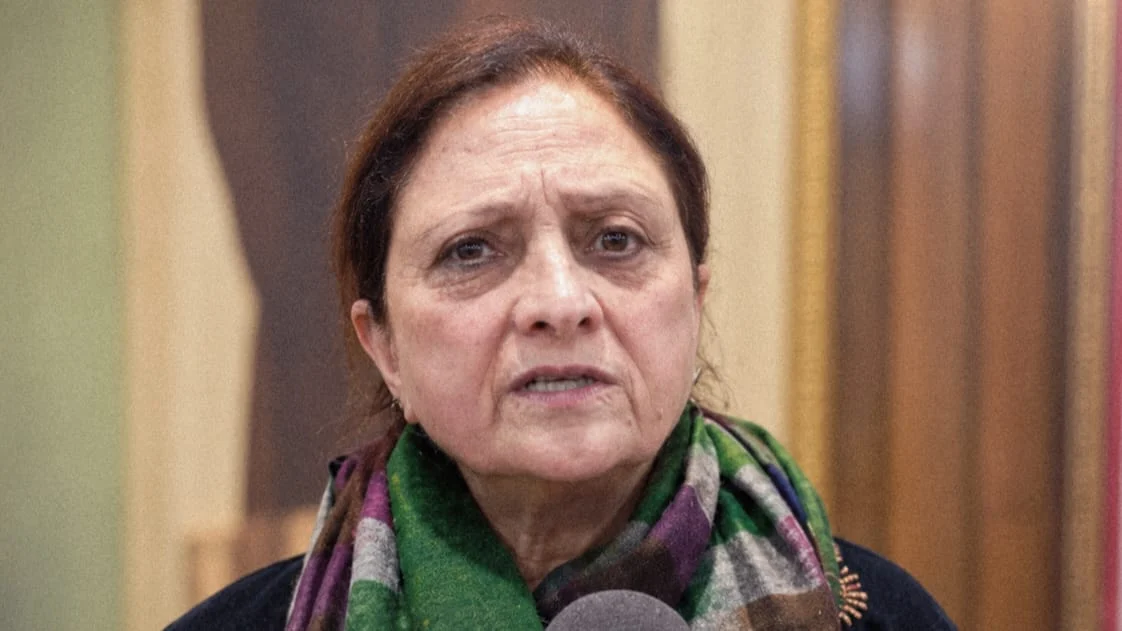
Education Minister Shamim Firdous announced the development during a review meeting. Senior School Education Department officials, private school associations, parents’ representatives and civil society members attended the meeting.
The initiative aims to make quality education more accessible to underprivileged children. Moreover, the RTE admission quota in J&K will give eligible students opportunities to study in private institutions alongside children from other sections of society.
Read More : Escaped Punjab Jail Inmate, Wanted in Drug Trafficking Case, Arrested in J&K’s Reasi
RTE Rules for Private School Quota Near Notification
Firdous informed the meeting that the Government had reached the final stage of preparing rules for Section 12(1)(c). The administration will notify these rules shortly.
Under this provision, private schools must reserve 25 per cent of their prescribed entry-level seats for eligible EWS and disadvantaged children. The Government will reimburse schools for admissible expenses related to free and compulsory education. Officials will follow the applicable rules and procedures while processing these payments.
The private school quota in J&K is expected to strengthen social inclusion. In addition, it will help children from economically weaker backgrounds secure admission to private institutions.
Several senior officials attended the review meeting. They included Commissioner Secretary, School Education, R. N. Sharma; JKBOSE Chairman Sheikh Ghulam Hassan; SCERT Director and Director, School Education Jammu, Naseem Javaid Chowdhary; Director, Samagra Shiksha, Bhawani Rakhwal; and Director, School Education Kashmir, Naseer Ahmad Wani. Other officers and stakeholder representatives also joined the discussions.
Minister Reviews Textbook Policy in Private Schools
Firdous called for joint efforts to improve educational standards across Jammu and Kashmir. She said the education system must deliver better learning outcomes. It must also support the overall development of students.
Furthermore, she urged all stakeholders to protect parents’ interests. She stressed the need for learning environments that encourage curiosity, creativity and independent thinking.
The meeting also examined concerns about textbooks prescribed by private schools. After detailed discussions, participants agreed that JKBOSE-affiliated institutions must follow the Board’s curriculum. These schools must also prescribe JKBOSE textbooks with content aligned with the NCERT syllabus.
The Minister stressed that schools should not burden students with unnecessary supplementary books. She also referred to the National Education Policy (NEP) 2020. The policy promotes balanced, flexible and child-centred learning.
Firdous said education should not create excessive financial pressure on parents. Similarly, schools must avoid placing unnecessary academic stress on students.
Therefore, she advised private schools to assess the need for additional books carefully. Where students require supplementary resources, schools can offer libraries, book banks, e-books and digital learning platforms. This approach will reduce the need for parents to purchase multiple additional books.
Government Warns Against Unnecessary Costs for Parents
The Minister also took note of complaints about the alleged sale of books at exorbitant prices. She urged authorities to address these concerns seriously. Moreover, she made it clear that the Government would not tolerate unnecessary or excessive textbook requirements.
The meeting also discussed school uniforms, notebooks, writing materials and other educational supplies.
Firdous emphasised that schools must not force parents to purchase these items from specific vendors or shops on school premises. Instead, parents should have the freedom to choose where they buy uniforms, books, notebooks and stationery.
The private school quota, along with the proposed measures on textbooks and school supplies, forms part of the Government’s effort to improve educational access and affordability in J&K. The 25 per cent reservation will provide eligible children from disadvantaged families with wider admission opportunities.
Finally, the Minister reaffirmed the Government’s commitment to improving the education system. She said schools must prioritise academic progress, creativity, critical thinking and the all-round development of children.
Read More : Omar Abdullah Says Blaming UT Status for Lack of Development Is Deceiving People