

by FAIZAN ARIF

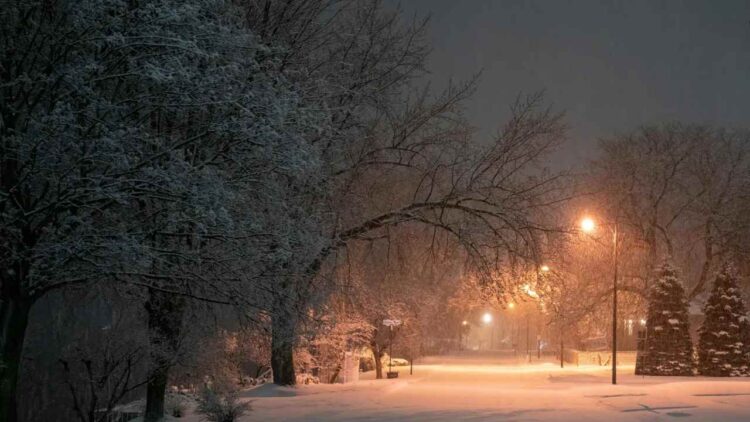
Two Western Disturbances are set to affect Jammu and Kashmir between Saturday and Tuesday, bringing a spell of rain and snowfall across the region, weather experts said.
Dry and cloudy weather is expected across J&K on 18 and 19 December, while 20 December will remain mostly dry, with light snowfall possible in some higher reaches including Sonamarg–Drass, and upper areas of Bandipora and Kupwara.
According to the forecast, the first Western Disturbance will impact the region from Saturday night, followed by a second disturbance on Monday, which may persist till Tuesday afternoon.
ALSO READ: CRPF jawan dies of ‘cardiac arrest’ in Anantnag
Rain and snow activity is likely to begin over higher reaches from Saturday night, with peak precipitation expected on Sunday or Monday.
The higher reaches of north Kashmir, particularly Kupwara district, are expected to be most affected, with light to heavy snowfall predicted over mountainous areas.
Snowfall is also likely over upper regions of Bandipora, Ganderbal and Baramulla, while popular tourist spots like Gulmarg and Sonamarg are expected to receive light to moderate snowfall.
Overall intensity of the system is likely to remain light to moderate, with plains receiving light showers and some areas witnessing moderate rainfall.
ALSO READ: Wild bear kills 16 sheep in Handwara, 14 injured
Snowfall over plains appears unlikely due to relatively higher temperatures.
The second Western Disturbance may prolong snowfall in Kupwara’s higher reaches until Tuesday afternoon, with chances of dry snow if temperatures dip on Monday night and Tuesday morning.
In Jammu region, plains are expected to receive light rain, middle reaches may see light to moderate rainfall, while higher reaches may record light to moderate snowfall.
Weather experts said that although precipitation may not be very heavy, snow accumulation over high-altitude areas could still be significant due to colder conditions.
Flight operations are not expected to be affected, while air pollution levels are likely to drop, providing short-term relief and lowering forest fire risk.